
Saturday 15 July 2023. We arrive in Lille from Ghent: the LOSC shop, Lille Flandres station, the Grand’Place and the Vieille Bourse, a welsh in my favourite estaminet, then the Mama Shelter rooftop.
Arriving in Lille from Ghent, before the Grand’Place and the Vieille Bourse
Safely arrived in Lille, from Ghent in Belgium. Earlier in the day: Ghent, earlier on 15 July.


The official LOSC shop
We drop into the official shop of LOSC Lille, the Dogues.

Lille Flandres station and the Apple Store
A look at Lille Flandres station, then a visit to the Apple Store in Lille.
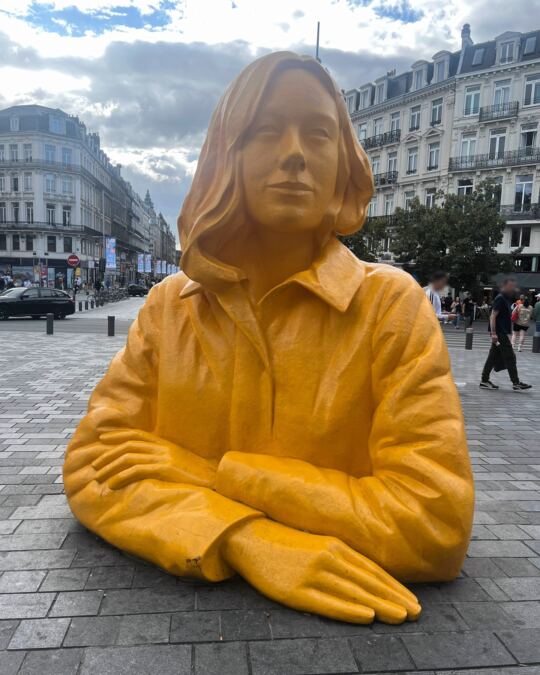

The Grand’Place, the Vieille Bourse and the cobbled lanes
Here is the Grand’Place of Lille, the Vieille Bourse and the La Voix du Nord building, along with the lovely cobbled lanes (the Passage des Arts), lined with terraces, estaminets, old brick houses and craft shops. The Vieille Bourse dates from 1653: Julien Destrée designed it as twenty-four identical houses around an inner courtyard.

Welsh and bone marrow at the estaminet Au Soyeux
A delicious meal in my favourite restaurant in Lille, where we have been coming since 2018, the estaminet Au Soyeux: the traditional welsh, and marrow bones.

An evening on the Mama Shelter rooftop
A perfect evening in Lille on the Mama Shelter rooftop: unique design and quirky decor, a very friendly atmosphere, a giant extra-long table football, all a stone’s throw from Lille station! The next day: the Wazemmes market on 16 July.
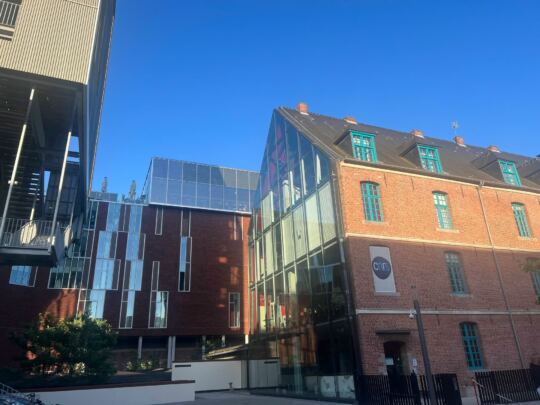
The Vieille Bourse, a Flemish gem in Lille
Lille’s old stock exchange was built in 1652 and 1653, when the city still belonged to the Spanish Netherlands: King Philip IV of Spain had allowed its construction, at the request of the merchants. Its style, Flemish Renaissance, is easy to recognise: brick, carved stone, garlands of fruit and horns of plenty. Its name, which means “old stock exchange”, dates from when the new Chamber of Commerce was built in the early 20th century. The building is a listed historic monument.
Today the inner courtyard is a real meeting place: second-hand booksellers, florists, chess players and strollers all gather there. It is the perfect spot to hunt for an old book or a vintage postcard. Right next door, the Grand’Place, officially Place du Général-de-Gaulle, with its Goddess column, is the heart of the city.
And the welsh? It is a typical dish of northern France, inspired by Wales: bread, often ham, all covered with cheddar melted with beer, then browned in the oven. My tip: have it with chips and a local beer, and come hungry! To find out more about the monument, here is its Wikipedia page.