Saturday 2 August 2025. We leave Gérardmer for Alsace, over the Col de la Schlucht.
Leaving Gérardmer, heading for the Col de la Schlucht
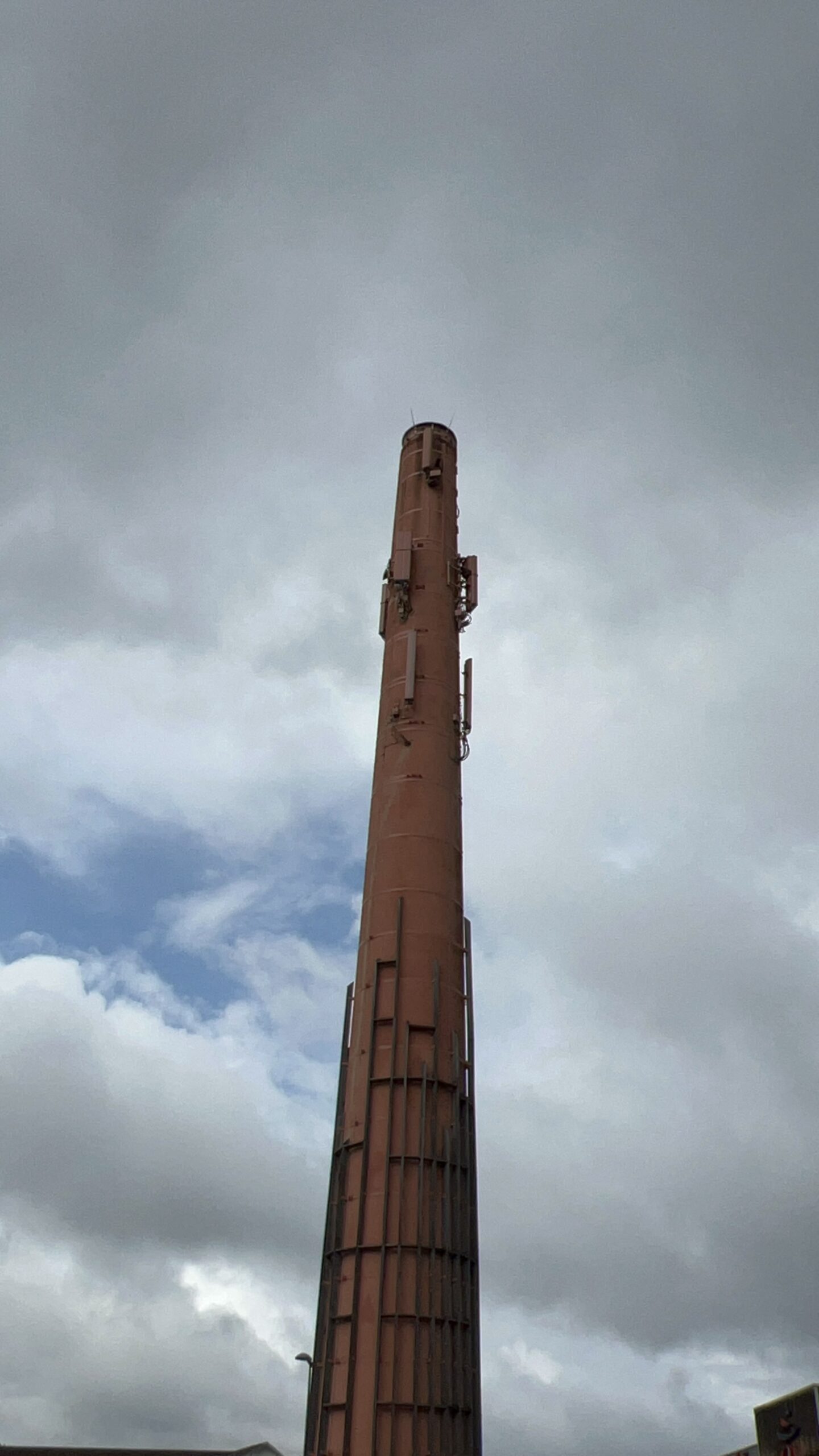
Time to leave, sadly. A great holiday in Gérardmer in spite of the weather. I can only recommend the L’Aigle des Neiges chalet, a marvel. We head for our next destination, still in the Vosges mountains but in Alsace, near Orbey. Driving past the Intermarché we see an industrial relic: the old chimney of a sawmill. It is a landmark and an emblem of the town, a reminder of its industrial past and of the timber trade.


Hay wine, a Vosges speciality
During this stay in the Vosges we had the chance to taste a local speciality, hay wine. A very good discovery. Careful, alcohol abuse is dangerous for your health, drink in moderation.
Five days at Lake Gérardmer in 60 seconds
Five days at Lake Gérardmer: here are all my photos and videos of the lake in 60 seconds. The weather here really does change every five minutes, and the mood is completely different from one moment to the next. The mysterious morning mist, the magnificent sunsets, the blue hour at dusk, the grey tones, the night view with the stars… Nothing to add, the Vosges are magnificent and I can only recommend coming. Above all, try to find a chalet or a hotel with a view of the lake, there is plenty of choice. All the videos were shot with my old iPhone 13 Pro Max, and I used the BlauTime app for the sun times.

Over the Col de la Schlucht to Lac Blanc
From Gérardmer we set off for the Auberge Le Blancrupt, at the Lac Blanc resort, in the Alsatian Vosges, at an altitude of 1,100 metres. We drive through the Alsatian forest and over the Col de la Schlucht, the pass that links the Vosges to Alsace.

The Col de la Schlucht, between Lorraine and Alsace
Its name comes from the German die Schlucht, meaning “the gorge” or “the narrow pass”. The pass lies between Le Valtin, in the Vosges department, and Stosswihr, in the Haut-Rhin. It takes you from the Vologne and Meurthe valleys, on the Lorraine side, to the Fecht valley, on the Alsace side, which runs down towards Munster. The sources of the Meurthe and the Fecht are both very close.
The current road was built in the 19th century, partly on the initiative of the Hartmanns, a family of industrialists from Munster, and Napoleon III came to open it in 1860. Between 1871 and 1918, after the annexation of Alsace, the pass was a border post between France and Germany. Back then, trams even came up here from Gérardmer and from Munster.
Today it is a crossroads with the Route des Crêtes and a starting point for fine hikes towards the Hohneck. My tip: the road is winding and fog can come down suddenly, even in summer. Drive calmly and keep a jacket within reach.
For the full history, here is its Wikipedia page. And all my posts about Gérardmer are gathered on my Gérardmer page.