On Sunday 16 August 2026, a last coffee at the Aconit chalet, where we spent the week, then back to Moselle the scenic way.
The Route des Crêtes and Lake Retournemer
Instead of the motorway, we take the Route des Crêtes. First stop at the viewpoint over Lake Retournemer, then the Chitelet and its alpine garden.


The Hautes Chaumes and their cows
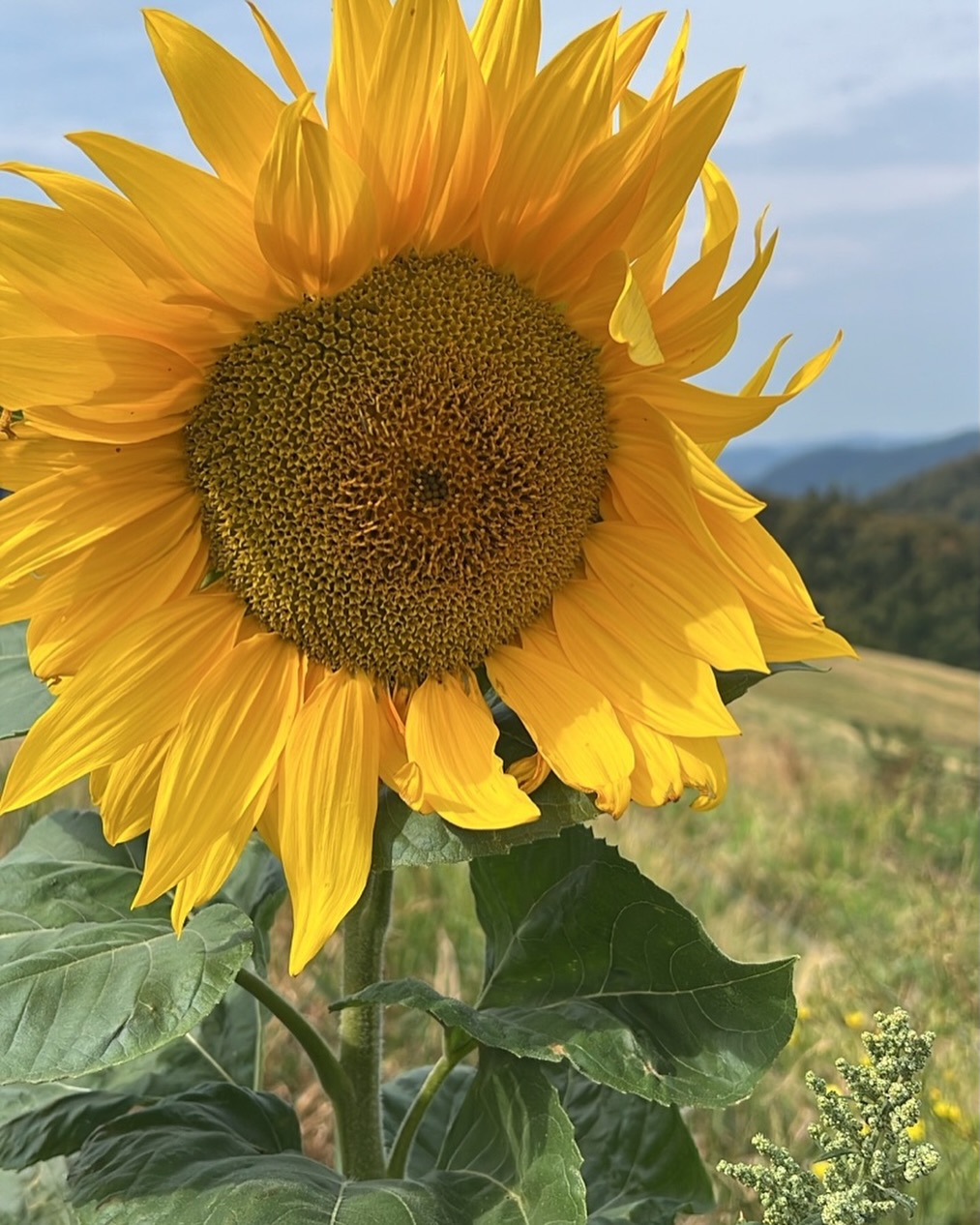
On the ridges, cows graze freely in the Hautes Chaumes du Rothenbach nature reserve. A real alpine, or rather bovine, break, and probably the best photo of the Vosges.


Fleischschnacka at the Grand Ballon
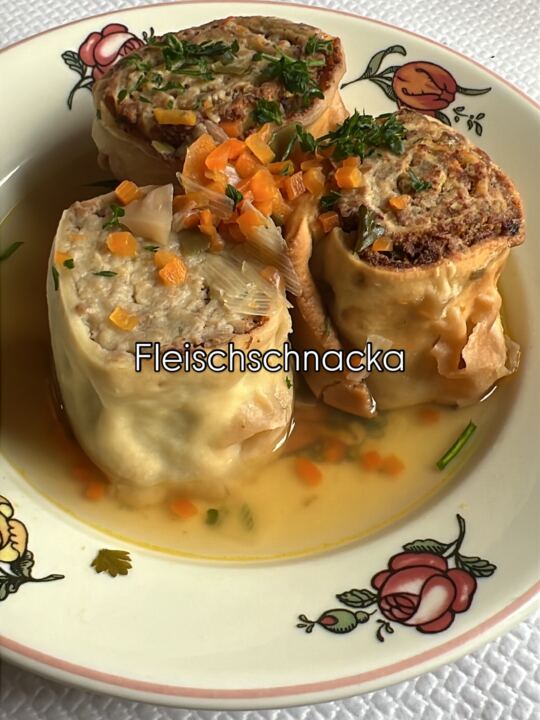
At lunch, Alsatian fleischschnacka at the Grand Ballon farm inn, and some Munster bought on the way: the car won’t exactly smell of roses.

Saverne and back to Moselle
Summer seems to end all at once: 10 degrees lost in 10 minutes. A quick stop at Saverne harbour, then back to Moselle, in the rain.


Also on Instagram that day

Good to know about the Route des Crêtes
The Route des Crêtes has a surprising history: it was built by the French army during the First World War to move troops and supplies along the summits, out of sight and out of range of the German artillery on the Alsace side. Today it’s one of the most famous scenic roads in eastern France.
It follows the ridge line of the Vosges mountains, from the Col du Bonhomme to Cernay, via the Col de la Schlucht, the Hohneck, the Markstein and the Grand Ballon, the highest point of the range. On a clear day, the view stretches over the Alsace plain, the Black Forest and sometimes even the Alps.
Fleischschnacka is an Alsatian speciality: pasta dough rolled around a meat filling, then cut into slices that look like snail shells (“schnacka” means snail in Alsatian). The slices are browned in a pan and served with a green salad. In the farm inns on the ridges, you can also try the repas marcaire, the traditional meal of the marcaires, the cowherds who took their herds up to the high pastures in summer.
To make the most of the Route des Crêtes, a tip: set off early at weekends in summer, because the viewpoint car parks fill up fast, and bring a jacket, even in August, as the temperature drops quickly with altitude. Part of the road is closed in winter because of snow. To plan a stay in the area, see my page on the Vosges.