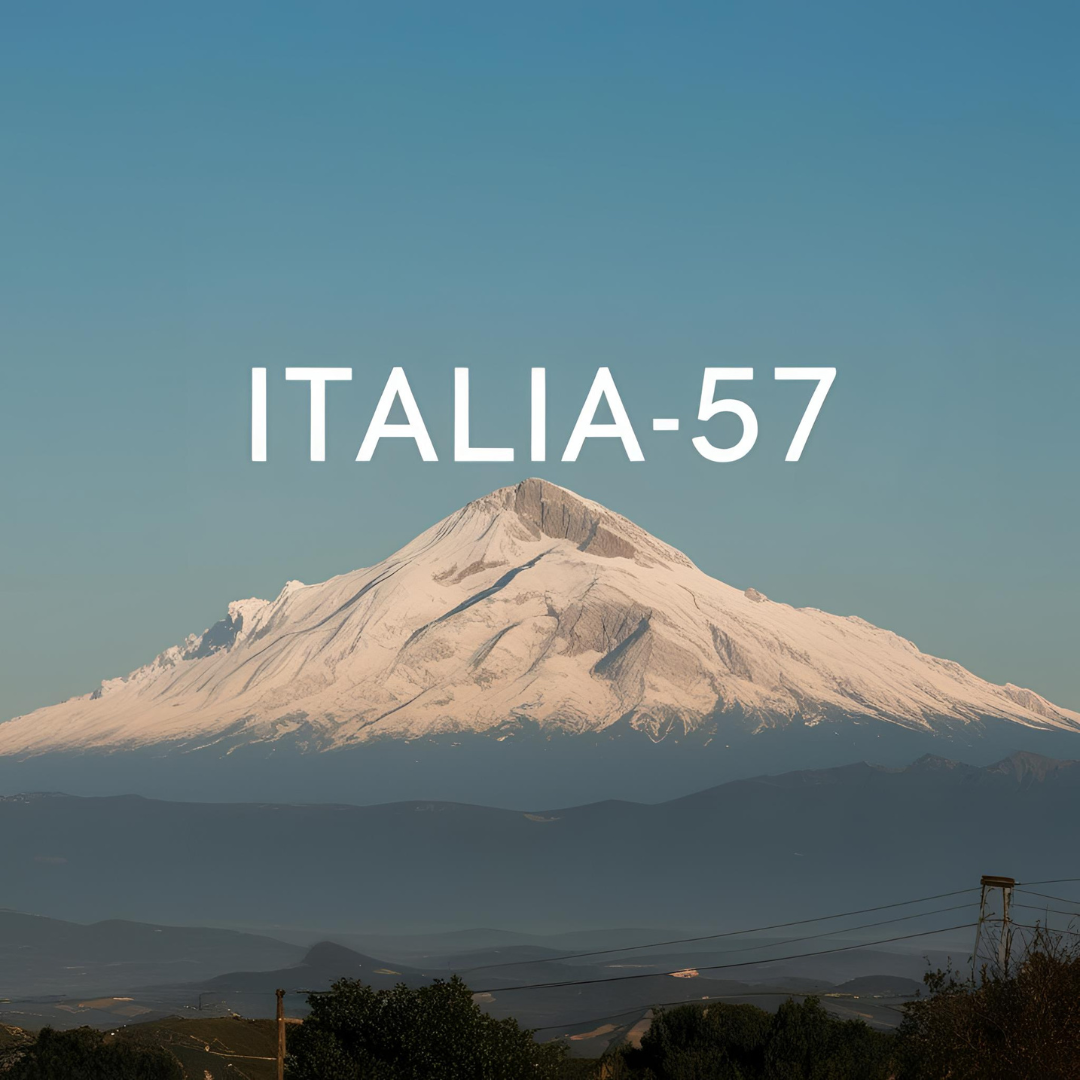

Sunday 25 February 2024. This time we visit Chinatown, Milan’s Chinese quarter, around Via Paolo Sarpi: shops full of Asian products, then, on the way back to the station, the Bosco Verticale and the Microsoft building.
In the shops of Chinatown in Milan
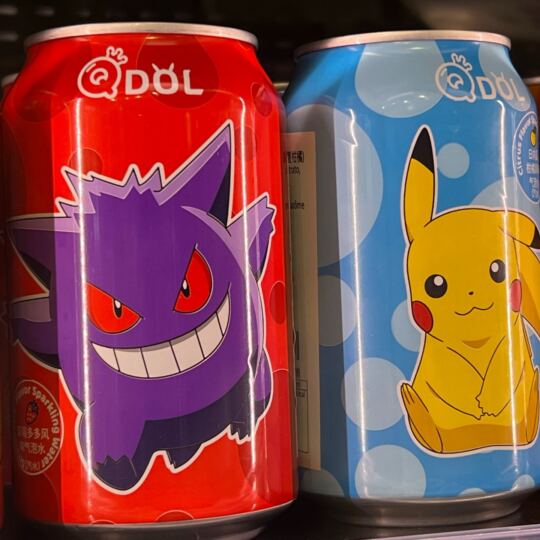
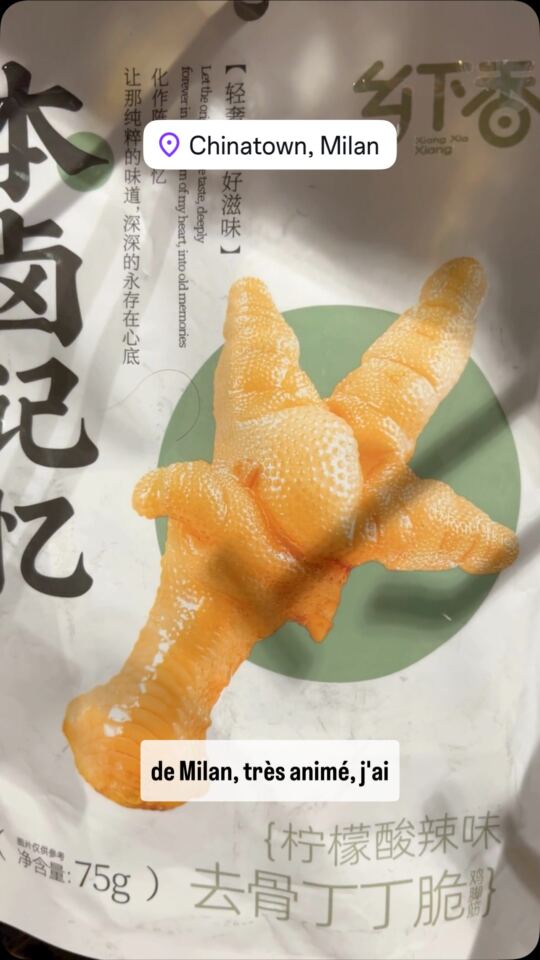
This time we visit Milan’s Chinese quarter, Chinatown, which is very lively. I found an astonishing mix of cultures there and lots of Asian products in the local shops: cans of Pokémon soda in blazing colours, decorated with Pikachu and Gengar, a collection of Asian statues displayed behind a large window, katanas… There are also chicken feet with spicy lemon and spicy duck claws, tea drinks with drawings of a camel and a crane, and an all-you-can-eat barbecue restaurant.

A neighbourhood born in the 1920s
Chinatown in Milan is mostly centred on Via Paolo Sarpi. It is one of the oldest Chinese quarters in Europe: it took shape from the 1920s, with a first wave of Chinese immigrants from Zhejiang, mainly shopkeepers and craftsmen. The neighbourhood then became an important cultural and economic hub, with a wide choice of specialist shops, traditional cafés, Asian supermarkets and Chinese restaurants.
Towards the station: an exhibition, the Bosco Verticale and Microsoft
Then we head back towards the station and stumble on an art exhibition, with a painting of Leonardo DiCaprio, on the plant-covered tower of the Bosco Verticale (two residential towers covered in trees, inaugurated in 2014) and on a huge building with the Microsoft logo, on Viale Pasubio. Just before: the Monumental Cemetery. Just after: Pizza AM, San Giovanni in Conca and the Duomo.
Wandering around Chinatown in Milan
Via Paolo Sarpi, the heart of the Chinese quarter, is largely pedestrianised, which makes it a very pleasant walk. It is named after Paolo Sarpi, a seventeenth-century Venetian friar and historian. You find Italian shops as well as Asian grocers, Chinese dumpling counters and bubble tea bars.
The neighbourhood is especially lively around Chinese New Year, when the parade and its dragons make their way down the street. The rest of the year, come at lunchtime or in the late afternoon to try the takeaway specialities.
Between Via Sarpi and Porta Garibaldi station lies the modern Porta Nuova district: the Bosco Verticale, designed by the architect Stefano Boeri, has become one of the symbols of the city.