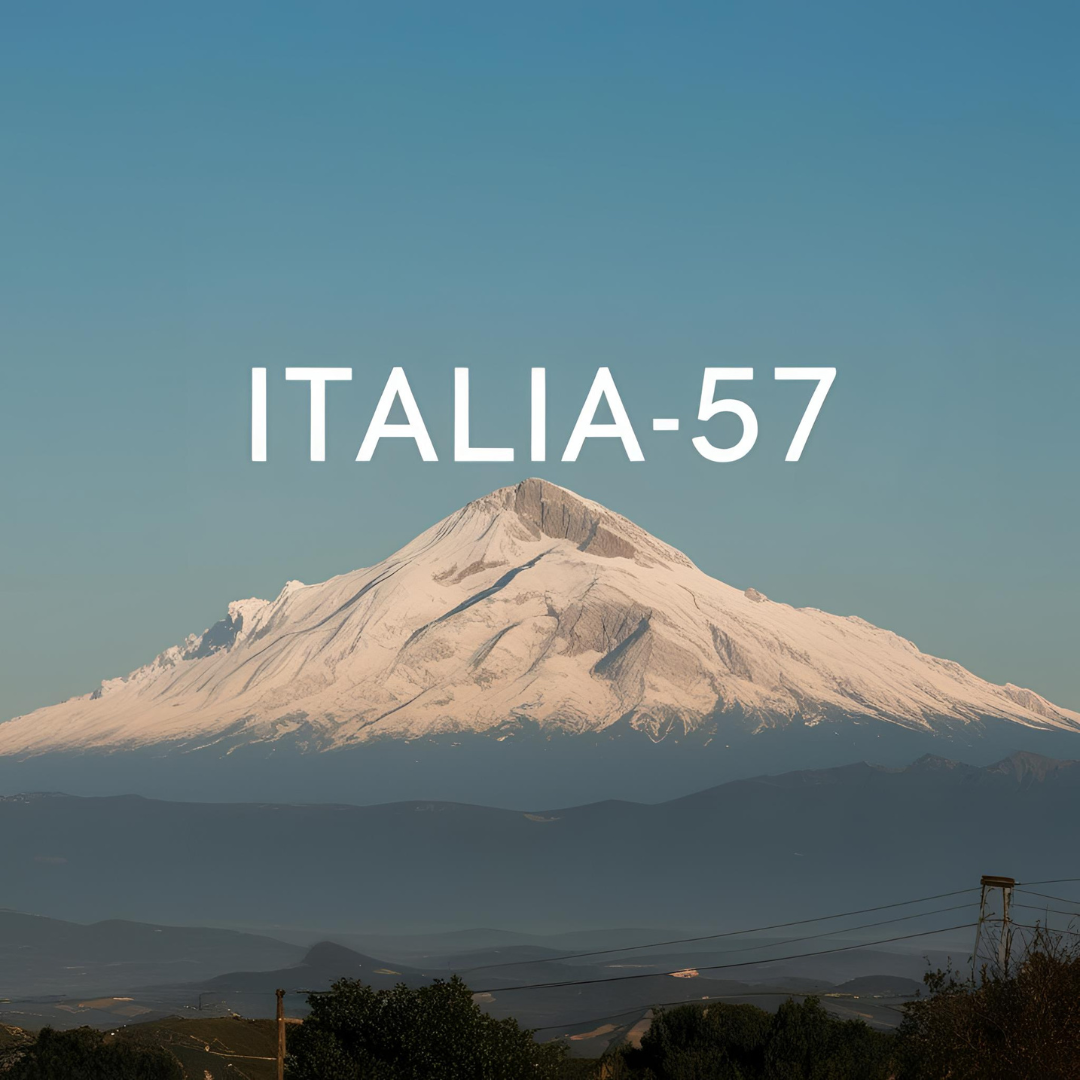

Saturday 1 March 2025. We arrive in Sesto San Giovanni by coach and head straight to Pavia by train. A full day in the town, from the university to the Visconti Castle.
From Moselle to Sesto San Giovanni, then the train to Pavia
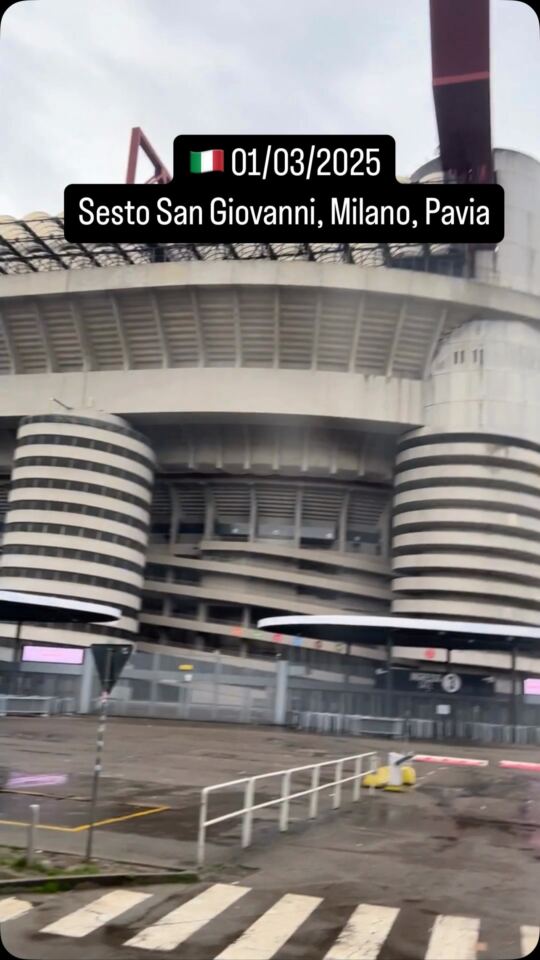
1 March 2025, leaving Moselle by coach for Sesto San Giovanni, in Italy, near Milan. A classic Italian breakfast on the road near Como: brioche al pistacchio and cappuccino. We pass the San Siro stadium and the headquarters of the Campari group, reach our Grand Hotel Barone di Sassj, then set off for Pavia from Sesto San Giovanni station, via Milano Lambrate.


The statue of Minerva, the university gardens and San Pietro in Ciel d’Oro
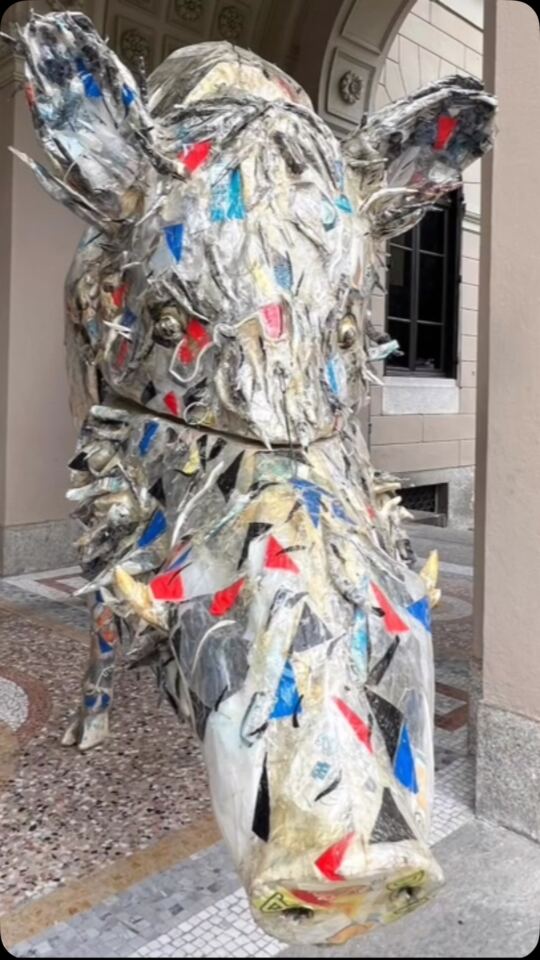
We start by visiting Pavia, about an hour from Milan. Arrival at the station, then the statue of Minerva (Athena) on Piazzale Minerva, a work by the sculptor Francesco Messina from 1938. Next, the gardens of the Palazzo Centrale dell’Università di Pavia, with a few works of art (a tiger, a wild boar…) made from recycled materials. Then the Basilica of San Pietro in Ciel d’Oro and the University of Pavia, founded in 1361, one of the oldest in Europe and active in the Erasmus programme.

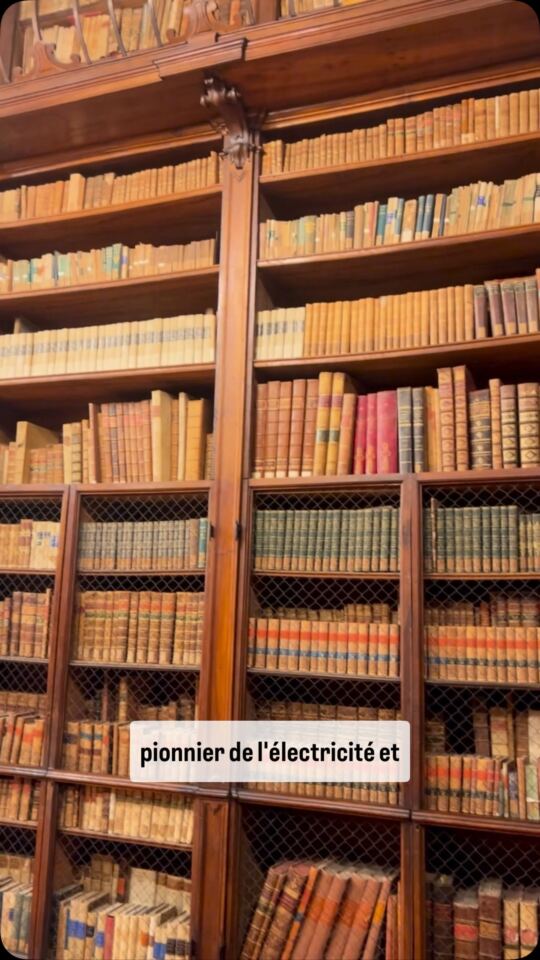
The university library and the Volta courtyard
More of the university, with the magnificent Biblioteca Universitaria di Pavia: old wood panelling, rare manuscripts, antique books and a historic globe. Centuries of history. Then the Cortile Volta, dominated by the statue of Alessandro Volta, a pioneer of electricity.

The three medieval towers of Piazza Leonardo da Vinci
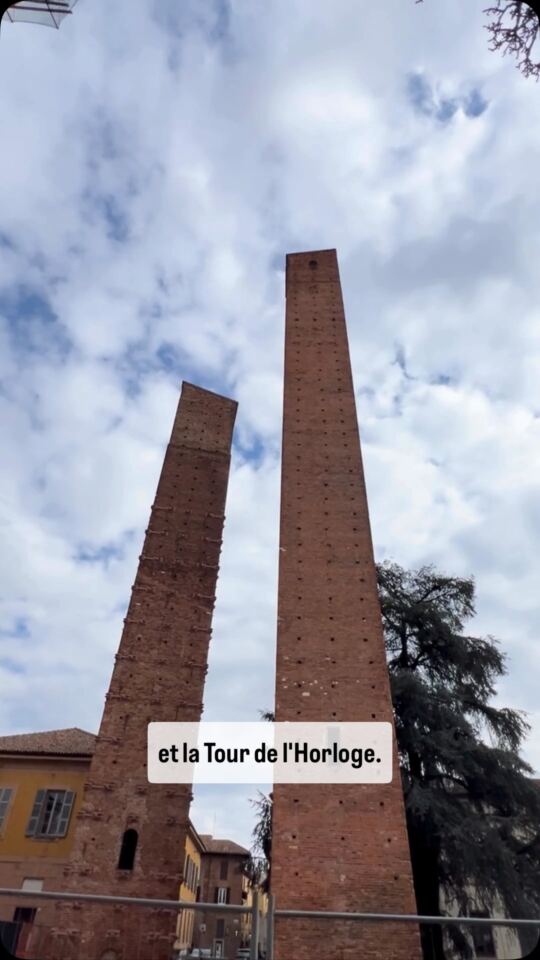
After the university, on to Piazza Leonardo da Vinci and its three medieval towers, built between the 11th and 13th centuries: the Maino Tower, the tallest at 51 metres, the Clock Tower and the University Tower.

Grilled octopus at Al Vita and 500 years since the Battle of Pavia
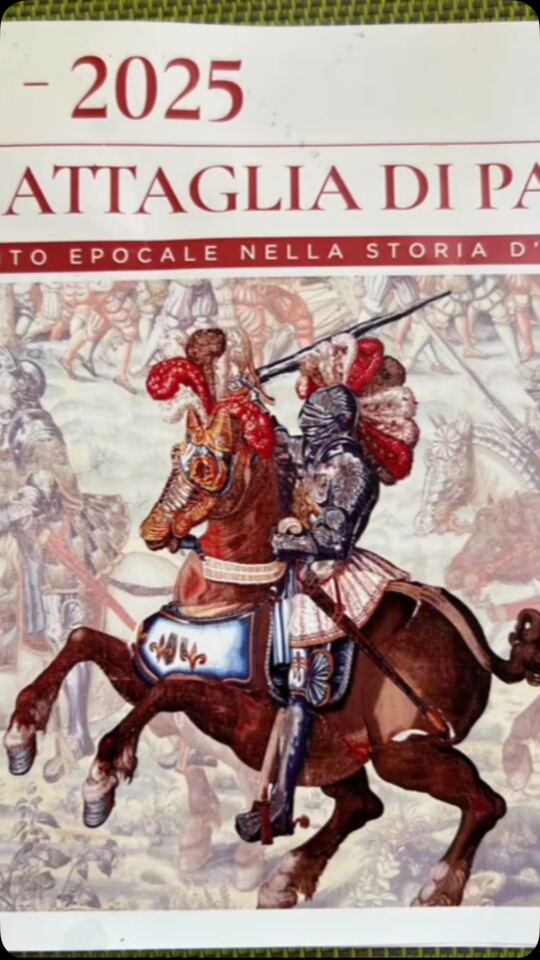
Lunch at the restaurant Al Vita, in Pavia. For me, polpo alla piastra: grilled octopus served on mashed potato, with parsley and a green sauce. Quite simply delicious! The restaurant also has leaflets about the 500th anniversary of the Battle of Pavia (1525 - 2025), an episode of the Italian Wars between Francis I and Charles V. The battle was fought on 24 February 1525.

Brick lanes and the Basilica of San Michele Maggiore
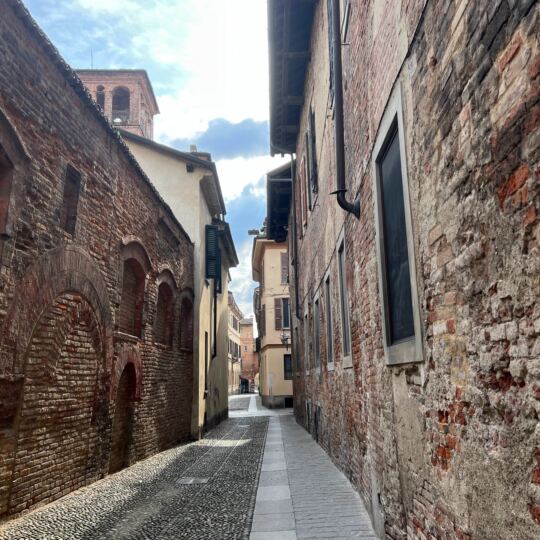
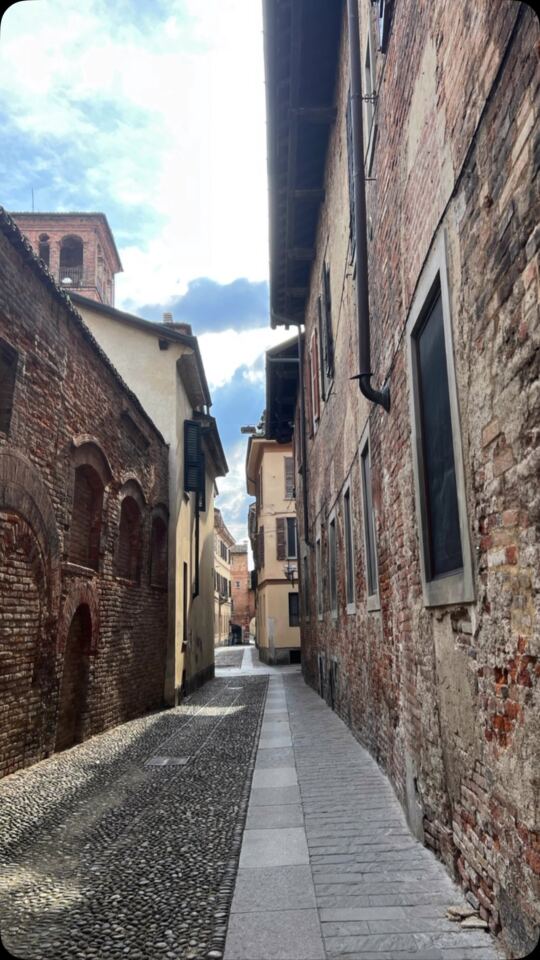
A very pretty little town, Pavia, in Lombardy. We carry on through the narrow lanes with their old brick houses, as far as the Basilica of San Michele Maggiore.
The Ponte Coperto and the statue of the washerwoman
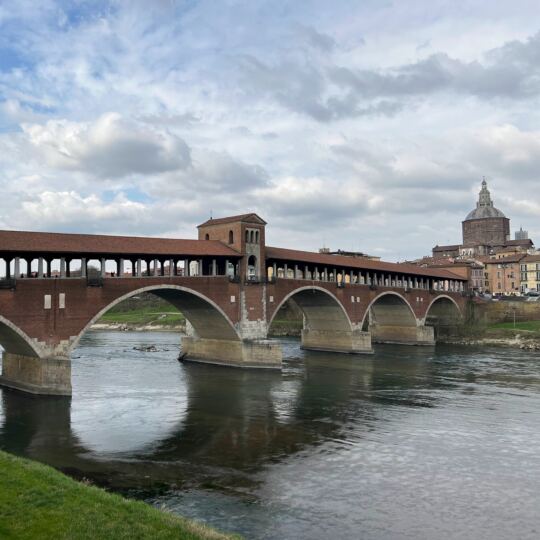
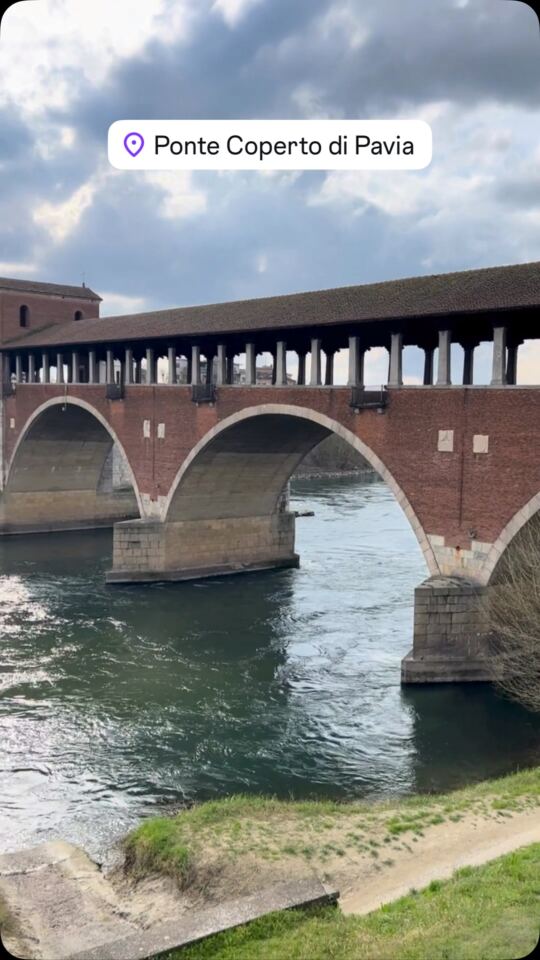
And now the covered bridge of Pavia, the Ponte Coperto. The view is magnificent over both banks of the Ticino and the colourful houses of Borgo Ticino. The present bridge dates from 1951: it was rebuilt after the Second World War, almost identical to the 14th-century one. Facing the bridge stands the statue of the washerwoman, a tribute to the women who used to come and wash laundry by the river.
The Duomo and Piazza della Vittoria
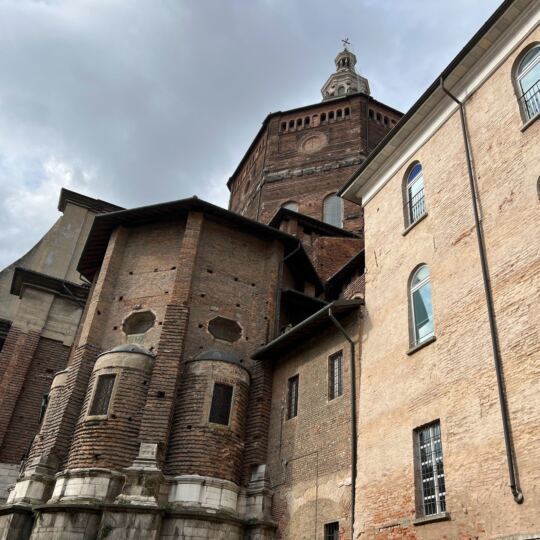
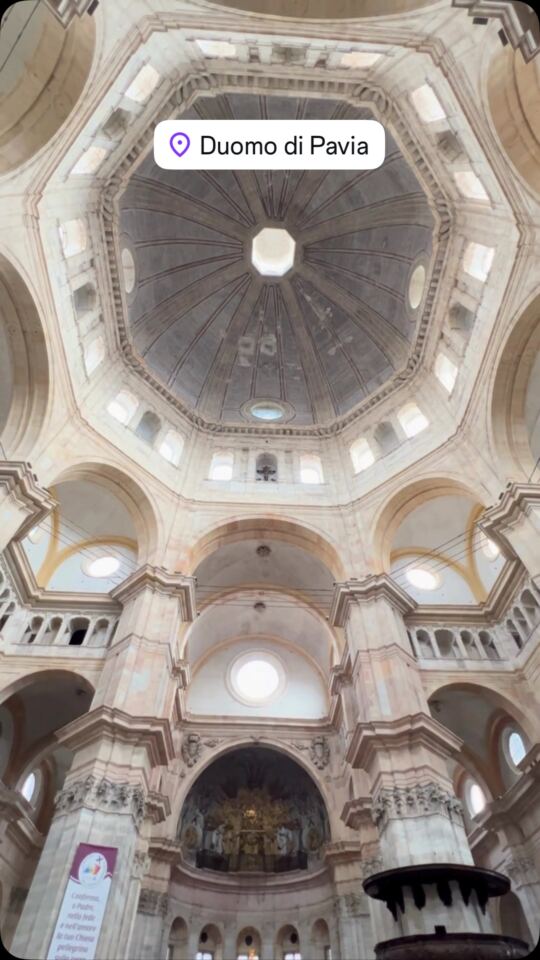
More of the historic centre: Pavia Cathedral (the Duomo) and Piazza della Vittoria, with its arcades and café terraces.
The Visconti Castle and the crypt of St Augustine
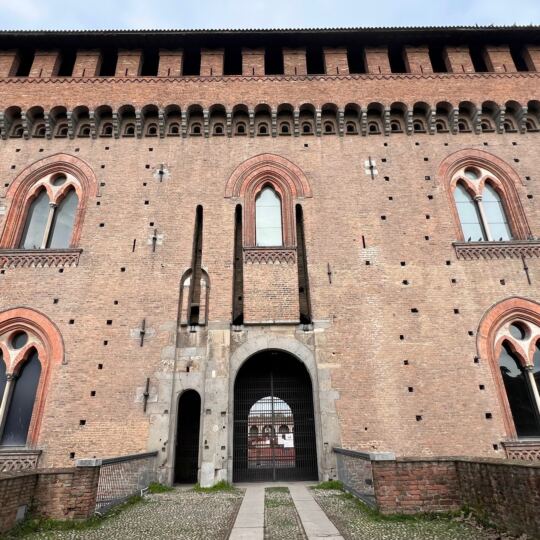
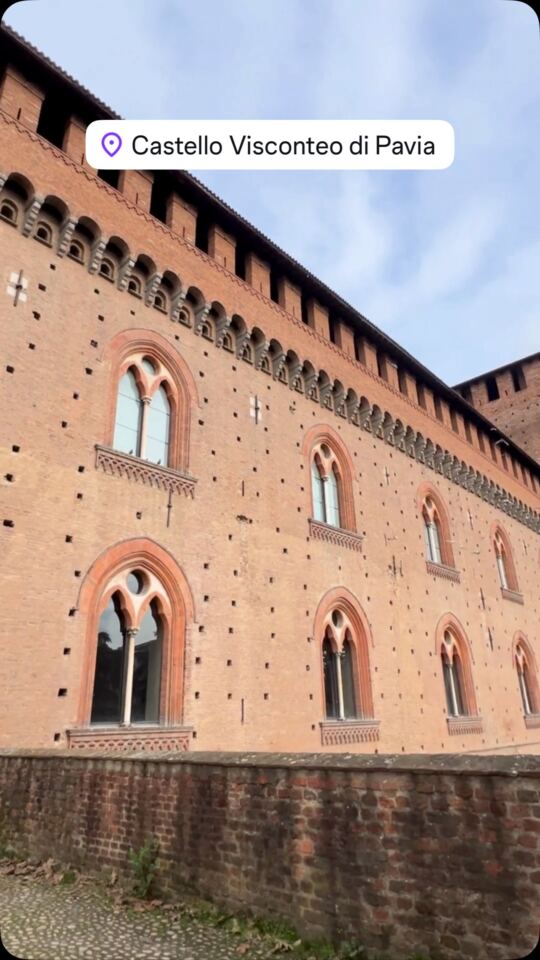
A visit to the Visconti Castle of Pavia, an imposing medieval fortress built from 1360 by Galeazzo II Visconti, lord of Milan. The visit goes on with the Castello Visconteo and the crypt of St Augustine. Then back to Milan by train.

In the evening: the Milan Navigli on video
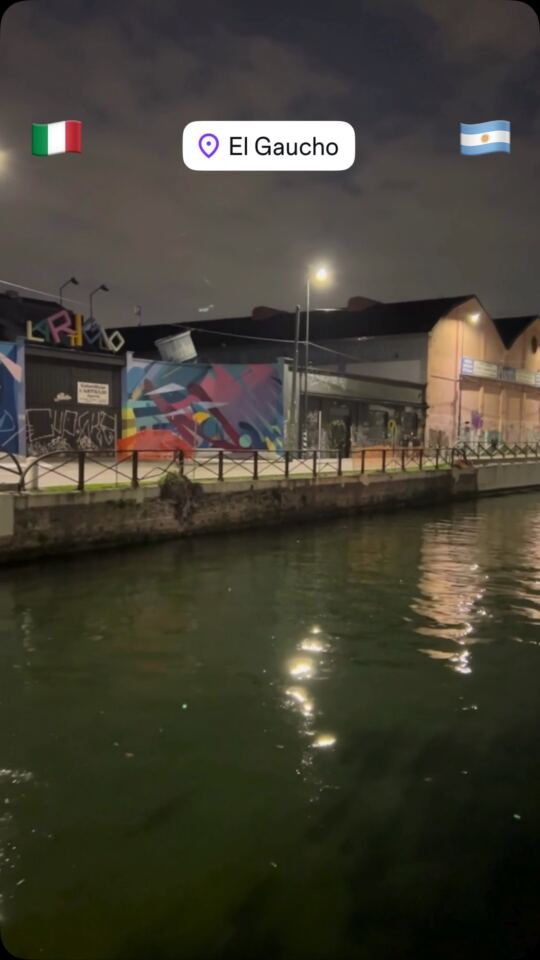
In the evening, back to Milan for the Navigli and an Argentine dinner at El Gaucho. Here is the video of the evening.
Pavia, the former capital of the Lombards
A bit of history to finish. Long before Milan, the town was the capital of the Lombard kingdom, between the 6th and 8th centuries. Later, several kings of Italy were crowned here, at San Michele Maggiore, among them Frederick Barbarossa. The town then came under the control of the Visconti of Milan, hence the castle. A few kilometres to the north there is also the Certosa, a huge Carthusian monastery founded by Gian Galeazzo Visconti at the end of the 14th century.
My tip: the historic centre is small and easy to explore on foot, but wear good shoes for the cobbles. The train from Milan is handy for a day trip. To plan your visit, here is my page about the town, and for the full history, the Wikipedia article.