

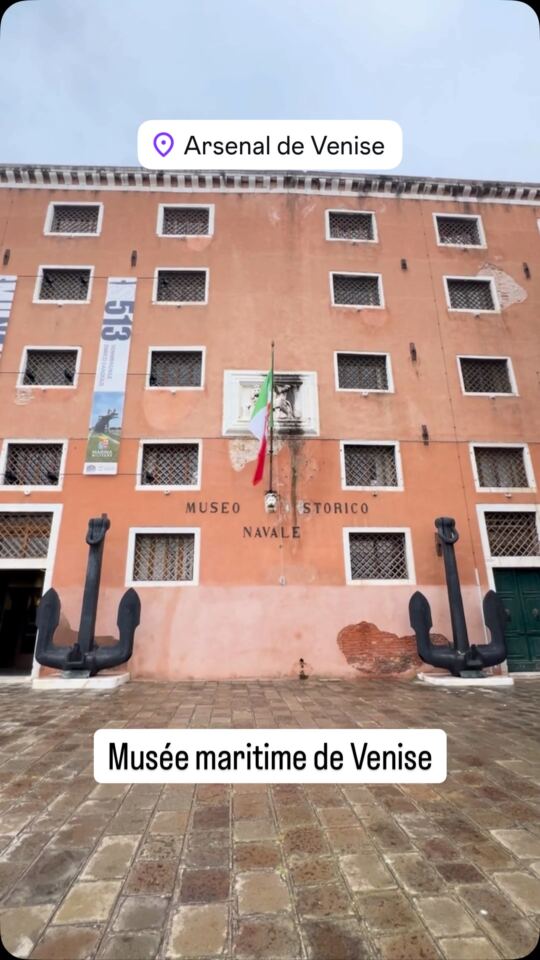
Sunday 13 April 2025. A morning at the Venice Naval History Museum (Museo Storico Navale), near the Arsenal.
Venice Naval History Museum: models, galleys and gondolas of the Serenissima
This morning, a visit to the Venice Naval History Museum, not far from the Arsenal. It has an impressive collection of ship models, galleys, uniforms and period gondolas from the Republic of Venice, once the undisputed master of the Adriatic.


The Padiglione delle Navi and the Enrico Dandolo submarine
Second part of the visit: the Padiglione delle Navi, housed in a shed. You see many old vessels at full size, and old sea mines. If you can, I recommend also booking a visit to the submarine Enrico Dandolo, the Cold War « hunter-killer » submarine: 46 metres long, 5 metres wide.

The rest of the day on video
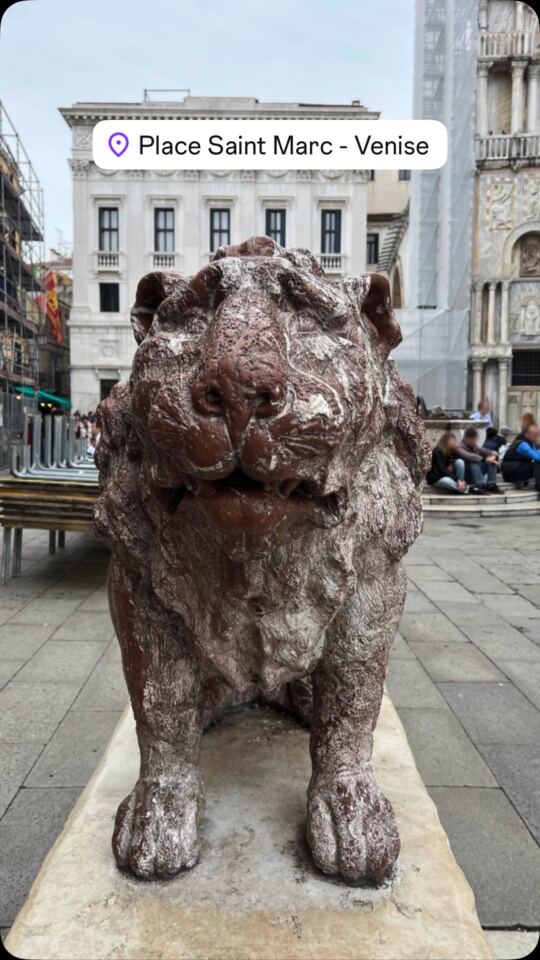
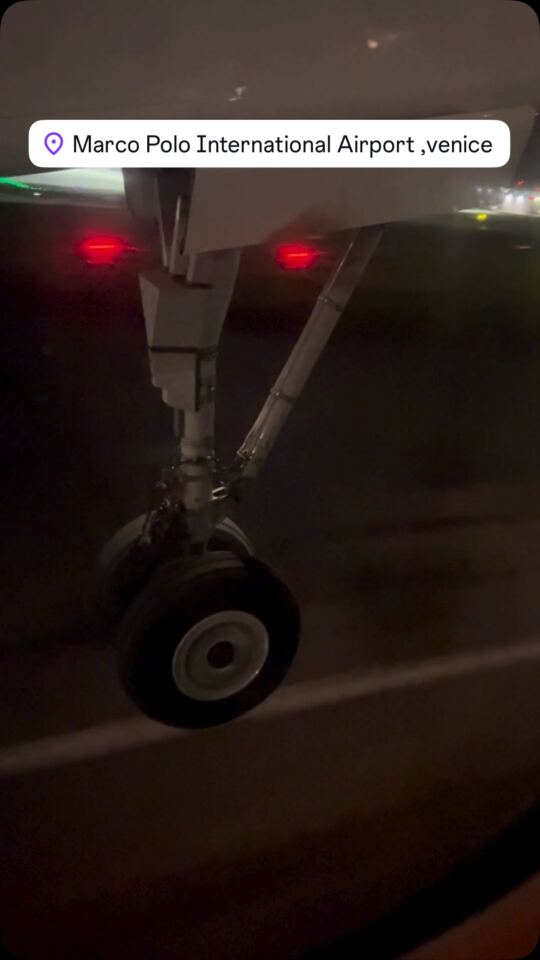
The rest of the day, on video: St Mark’s Basilica and its Pala d’Oro, then Marco Polo Airport and the Doppio Malto restaurant, before the flight to Luxembourg.
The Venice Naval History Museum and the Arsenale
The museum belongs to the Italian Navy, and it mainly tells the maritime history of Venice, which makes sense: the power of the Serenissima came from the sea. Right next door is the Arsenale, the old shipyards of the Republic, where the galleys that made the city rich were built. Do not miss the Porta Magna, its monumental entrance, guarded by stone lions.
Among the pieces to see, there is the model of the Bucintoro, the Doge’s ceremonial galley. It was used every year for the ceremony of the Marriage of the Sea, on Ascension Day. The last Bucintoro was destroyed by French troops in 1798, at the end of the Republic. The models make it easy to understand how these ships were built, from war galleys to merchant vessels. And if you love boats, the walk along the Riva degli Schiavoni to get here is already a show in itself.
The submarine is named after Enrico Dandolo, the Doge who led Venice at the time of the Fourth Crusade, at the beginning of the 13th century. My tip: allow a good half-day if you want to see everything, including the Arsenale. To find out more, here is the museum’s Wikipedia page, and all my posts about the city are on my Venice page.