
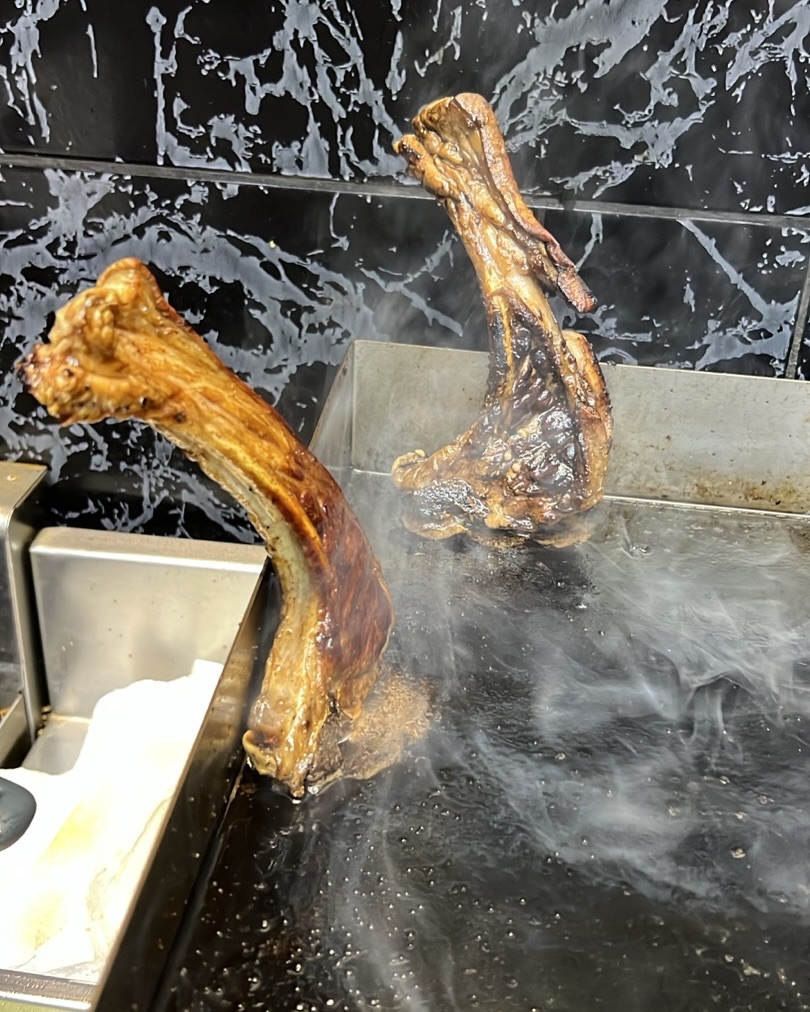
On Monday 12 October 2026, in the kitchen.
On the menu, a Tunisian couscous with grilled lamb. The detailed recipe is just below.

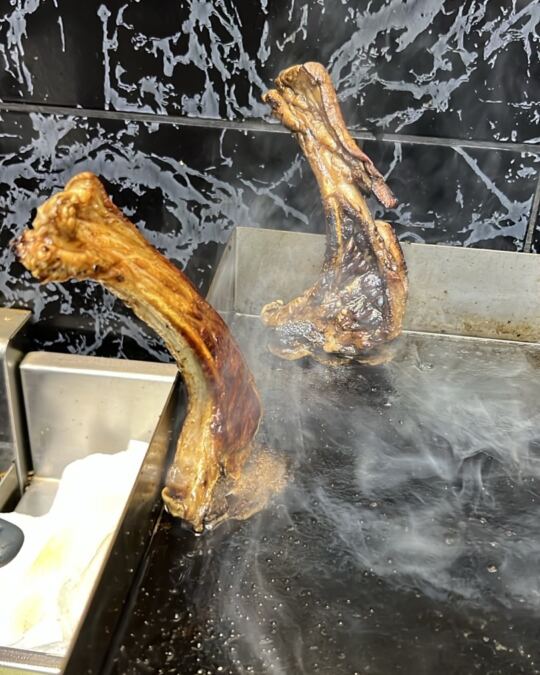
Tunisian lamb couscous, a dish for sharing
Couscous is the great dish of the Maghreb: tiny grains of durum wheat semolina, steamed over a broth of meat and vegetables, traditionally in a couscoussier. In 2020, the know-how around couscous was even added to UNESCO’s Intangible Cultural Heritage list, after a joint application by Algeria, Mauritania, Morocco and Tunisia. To find out more about its history, here is the couscous page on Wikipedia.
What sets the Tunisian version apart is often its bright red, spicy sauce, made with tomato paste and harissa. It also has chickpeas and vegetables such as carrots, courgettes or turnip, and every family has its own habits. As for spices, you often find caraway, coriander or tabil, the typical spice blend of Tunisian cooking. Lamb is one of the great classics, but it is also made with chicken or fish, especially on the coast.
To make a good Tunisian lamb couscous, the secret is the semolina. You let it swell, rub the grains apart by hand with a drizzle of olive oil, then steam it several times so it stays light and fluffy. Here, the lamb is grilled separately, which gives it a nice golden colour before it joins the sauce and vegetables when serving. And always keep a little hot broth on the side, to pour over the semolina at the table.
It is a dish you put in the middle of the table, and everyone serves themselves their own way, with more or less sauce and harissa. In the Maghreb, it is often the dish that brings the whole family together, on Fridays or on special occasions. My tip: make the sauce for your Tunisian lamb couscous a little ahead of time, so the flavours have time to blend. The detailed recipe is just below, and if Tunisia makes you want to travel, have a look at my articles about Tunisia.
The recipe
Classic recipeThe traditional recipe for the dish, not the one from the restaurant where I tasted it.
Ingredients
Sauce and vegetables
- 1 onion
- 3 tbsp olive oil
- 2 tbsp tomato paste
- 1 tsp harissa
- 1 tsp paprika
- 1 tsp tabel (ground coriander and caraway)
- 1/2 tsp turmeric
- 2 carrots
- 1 turnip
- 2 potatoes
- 2 courgettes
- 200 g cooked chickpeas
- 1 litre water
- Salt and pepper
Grilled lamb
- 8 lamb chops (or 600 g leg of lamb in slices)
- 3 tbsp olive oil
- 1 tsp harissa
- 1 garlic clove
- Salt
Couscous
- 400 g medium couscous
- 2 tbsp olive oil
- 30 g butter
- 1 tsp salt
- About 400 ml lukewarm water
Method
- Mix the oil, harissa, grated garlic and a pinch of salt, brush it over the lamb and leave to marinate in the fridge for 30 minutes.
- Slice the onion. Peel the carrots, turnip and potatoes and cut them into large pieces; cut the courgettes into chunks.
- In the bottom of the couscoussier, fry the onion in the oil for 3 minutes. Add the tomato paste, harissa, paprika, tabel and turmeric and stir for 2 minutes.
- Pour in the water, add the carrots and turnip, season with salt and pepper and cook for 15 minutes.
- Mix the couscous with the olive oil and salt, moisten it with the lukewarm water, leave it to swell for 10 minutes, then fluff it with your fingertips.
- Add the potatoes, courgettes and chickpeas to the sauce. Put the couscous in the top of the couscoussier and steam it for 20 minutes, then fluff it again with the butter.
- Meanwhile, grill the lamb for 3 to 4 minutes per side on the grill or in a very hot pan.
- On a large dish, moisten the couscous with a few ladles of sauce, arrange the vegetables and grilled lamb on top, and serve the rest of the sauce on the side.
Tips and variations
- Without a couscoussier, prepare the couscous in a bowl: pour over the same volume of boiling salted water, cover for 5 minutes, then fluff with the butter.
- In Tunisia the couscous is moistened with a spicy red sauce: add harissa to taste.
- You can replace the grilled lamb with lamb shoulder cooked directly in the sauce (1 hour).
Recipe shared for guidance only, adapt it to your equipment: times and temperatures may vary. Check for allergens (gluten, milk, eggs, fish, shellfish, nuts, sesame…) and make sure ingredients are fresh. Raw or undercooked fish, meat and eggs are not recommended for pregnant women, young children, elderly or vulnerable people. Take care with hot oil, flambéing and alcohol. I am not a health or nutrition professional.